


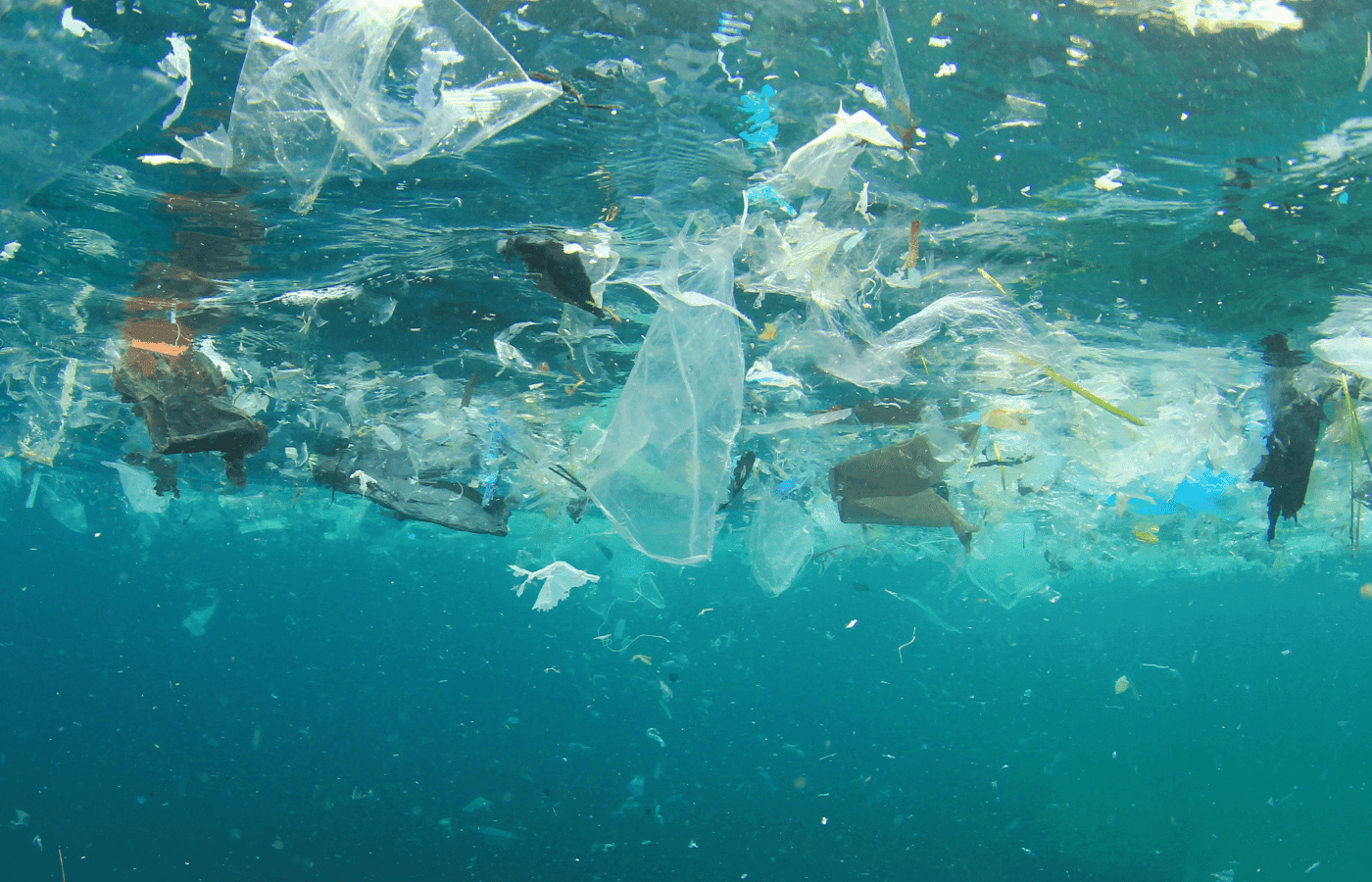
Floating plastic is visible, but much debris sinks or strands. This analysis explains how surface and seabed plastic differ in pathways, risks, and cleanup—and what works now.
Overview
Most images of marine pollution show bottles and bags drifting on blue water. Floating plastic is real and dangerous, yet a large share of marine debris does not stay at the surface: it fragments, becomes water-logged, and ultimately settles on the seabed. The two fates—floating and seabed—drive different risks, require different responses, and explain why prevention and collection must work together. This article clarifies mechanisms, impacts, and the role of operational cleanup where waste meets water and marine environments.
Plastic pathways, different risks
From buoyant to benthic
Newly discarded plastic tends to float if density is lower than seawater. Exposure to sunlight weakens items (photodegradation), waves abrade edges, and biofouling (organisms colonising the surface) increases density; many items then lose buoyancy and sink. Macroplastics can settle rapidly, while microplastics remain suspended, moving vertically with turbulence and later accumulating on the seabed.
Floating plastic: visible, mobile, and biologically sticky
Floating debris travels long distances with currents and wind. It concentrates in frontal zones and ocean gyres, intersects with wildlife at the surface, and acts as a raft for organisms and pathogens. Entanglement and ingestion are common outcomes for sea turtles, seabirds, and marine mammals. Floating ghost gear continues to fish indiscriminately and can damage shallow habitats and vessels. Because the surface is accessible, waste surveillance and interception are feasible, but the water mobility redistributes debris, making waste a moving target.
Seabed plastic: persistent, less visible, habitat-level impacts
Once on the seabed, plastic persists under low-light, low-oxygen conditions. In canyons, on continental shelves (the relatively shallow, gently sloping seabed fringing continents), and around reefs, it accumulates with sediments (layers of particles that settle on the seafloor). Benthic litter (plastic and other debris resting on or embedded in seabed sediments) smothers organisms, abrades corals and sponges, and traps demersal fauna (bottom-dwelling fish and invertebrates living near the seafloor). Microplastics concentrate in sediments and can be resuspended by storms or trawling, acting as a chronic source of exposure for bottom-dwelling species. Seabed retrieval is technically difficult, slow, and costly; diving and ROV (remotely operated underwater vehicle) operations are limited by depth, currents, and safety.
Scale and hotspots
Evidence shows plastic is now ubiquitous: coasts, the water column, the surface layer, and the deep seafloor. Floating macroplastics dominate item counts at the surface; microplastics dominate particle counts in sediments. Enclosed seas (e.g., the Mediterranean), river mouths, and deep-sea canyons show accumulation hotspots. Legacy stocks already stranded in rivers and stored on the seabed mean that even with steep source reduction, microplastic concentrations will continue to rise for decades.
How Ogyre works on both fronts
Ogyre works with local waste fishers to address both fronts: floating plastic at the surface and plastic settled on the seabed. For floating debris, crews at sea recover items encountered during regular trips and dedicated missions, while ocean-bound waste interception activities take place near river mouths before materials reaches marine environments. For seabed impacts, operations prioritise hotspots; in Senegal, trained divers conduct planned dives to collect debris from the seabed off Dakar’s coastline. Finally, all collected material is delivered to certified cooperatives for sorting, with recycling pursued when viable and responsible disposal otherwise.
Two problems, one integrated response
Floating plastic is the visible tip of the problem; seabed plastic is the persistent, less visible mass that keeps harming habitats over time. Both require action, while prevention can limit tomorrow’s inputs. Targeted collection—at the surface, on the seabed, and along coastal areas—reduces today’s risks. An integrated approach aligns with how plastic actually moves through marine environments—and with what the Ocean needs now.
References
- European Environment Agency – EEA (2020), Plastics, the Circular Economy and Europe’s Environment – A Priority for Action link
- FAO (2021), Seabed Sources of Marine Litter link
- OECD (2022), Global Plastics Outlook link
- Ogyre (2025), Ogyre Code of Conduct link
- Ogyre (2025), Ogyre Protocol link
- UNEP/MAP – Plan Bleu (2019), Socioeconomic Analysis of Marine Litter Key Best Practices to Prevent/Reduce Single Use of Plastic Bags and Bottles link
- United Nations Environment Programme – UNEP (2021), From Pollution to Solution: A Global Assessment of Marine Litter and Plastic Pollution link
- United Nations Environment Programme – UNEP (2024), Global Waste Management Outlook 2024 link
- United Nations Environment Programme – UNEP (2023), Turning off the Tap: How the world can end plastic pollution and create a circular economy link
- WWF (2022), Impacts of Plastic Pollution in the Oceans on Marine Species, Biodiversity and Ecosystems link
- WWF (2018), Mediterraneo in trappola. Come salvare il mare dalla plastica link
- WWF (2020), Stop Ghost Gear. The Most Deadly Form of Marine Plastic Debris link
![[object Object]](/_next/image?url=https%3A%2F%2Fogyre.fra1.cdn.digitaloceanspaces.com%2FCover%20Launch%20Senegal-1600x900.png&w=3840&q=75)
![[object Object]](/_next/image?url=https%3A%2F%2Fogyre.fra1.cdn.digitaloceanspaces.com%2FCover%20interna%20articolo-1600x900.jpg&w=3840&q=75)
![[object Object]](/_next/image?url=https%3A%2F%2Fogyre.fra1.cdn.digitaloceanspaces.com%2FCover%20Ogyre%20LR%20LOW%20(1)-1-1600x900.jpg&w=3840&q=75)